(EN) The quick brown fox jumps over the lazy dog. (NL) Op brute wijze ving de schooljuf de quasi-kalme lynx. (CS) Nechť již hříšné saxofony ďáblů rozezvučí síň úděsnými tóny waltzu, tanga a quickstepu. (HU) Jó foxim és don Quijote húszwattos lámpánál ülve egy pár bűvös cipőt készít. (RO) Înjurând pițigăiat, zoofobul comandă vexat whisky și tequila. (RU) Разъяренный чтец эгоистично бьёт пятью жердями шустрого фехтовальщика. (BG) Огньове изгаряха с блуждаещи пламъци любовта човешка на Орфей. (SR) Фијуче ветар у шибљу, леди пасаже и куће иза њих и гунђа у оџацима. (EL) Ταχίστη αλώπηξ βαφής ψημένη γη, δρασκελίζει υπέρ νωθρού κυνός. Type your own text to test the font!
Description
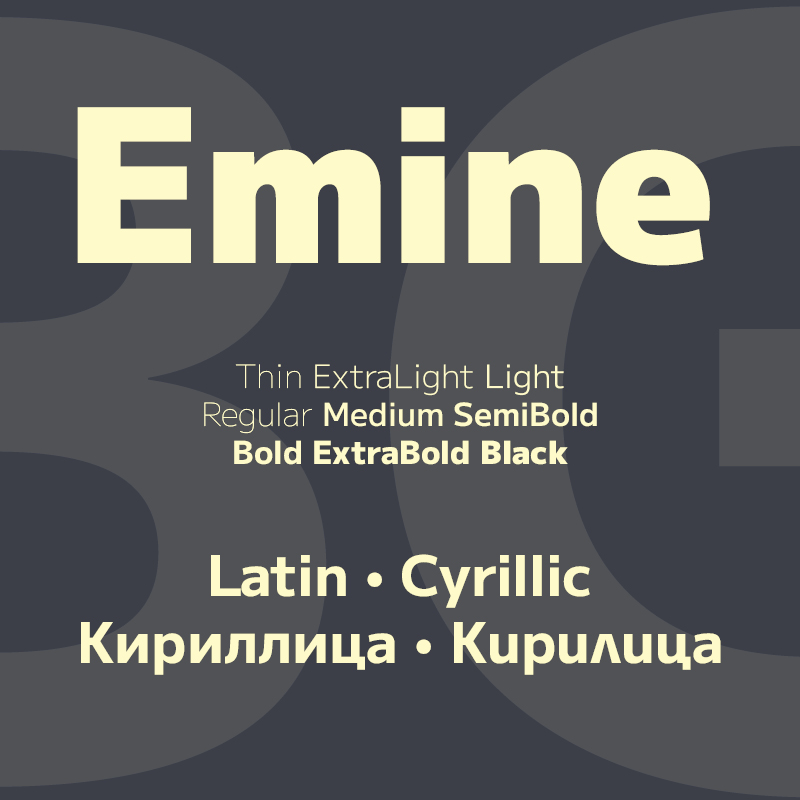
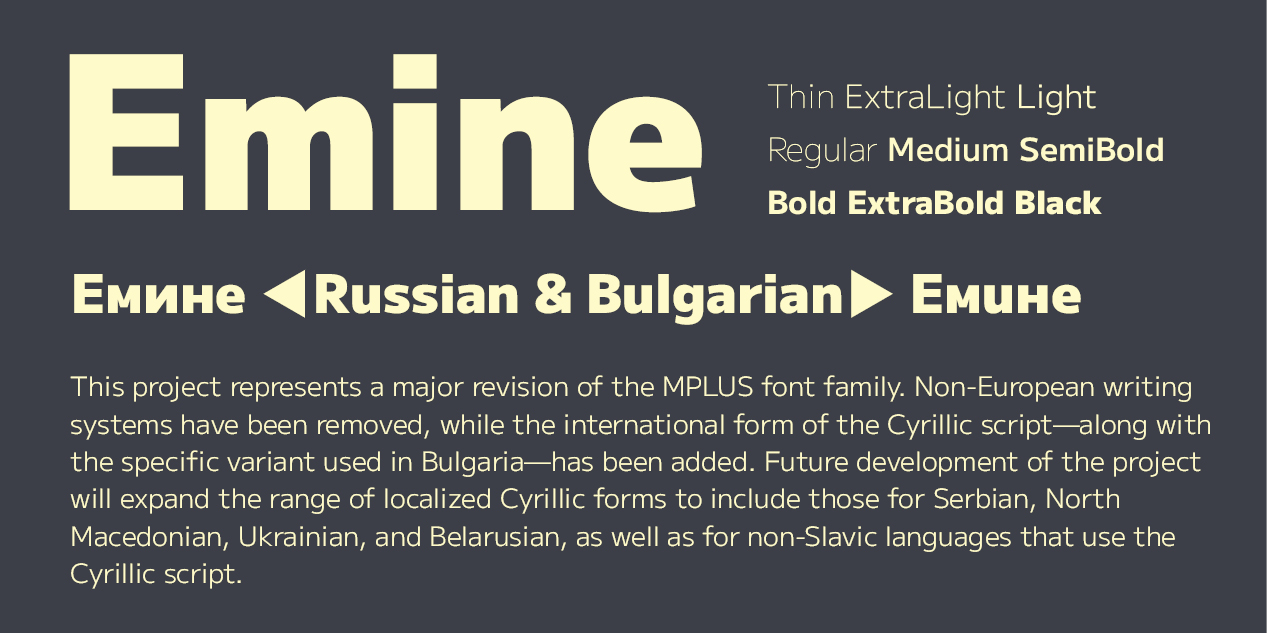
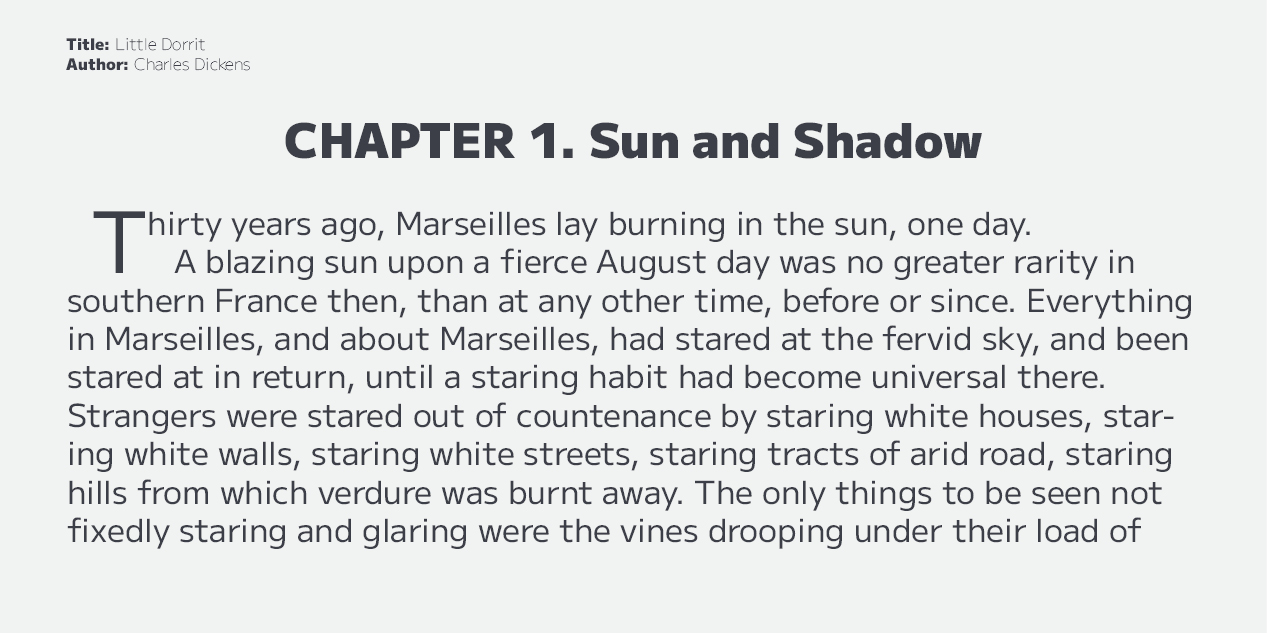
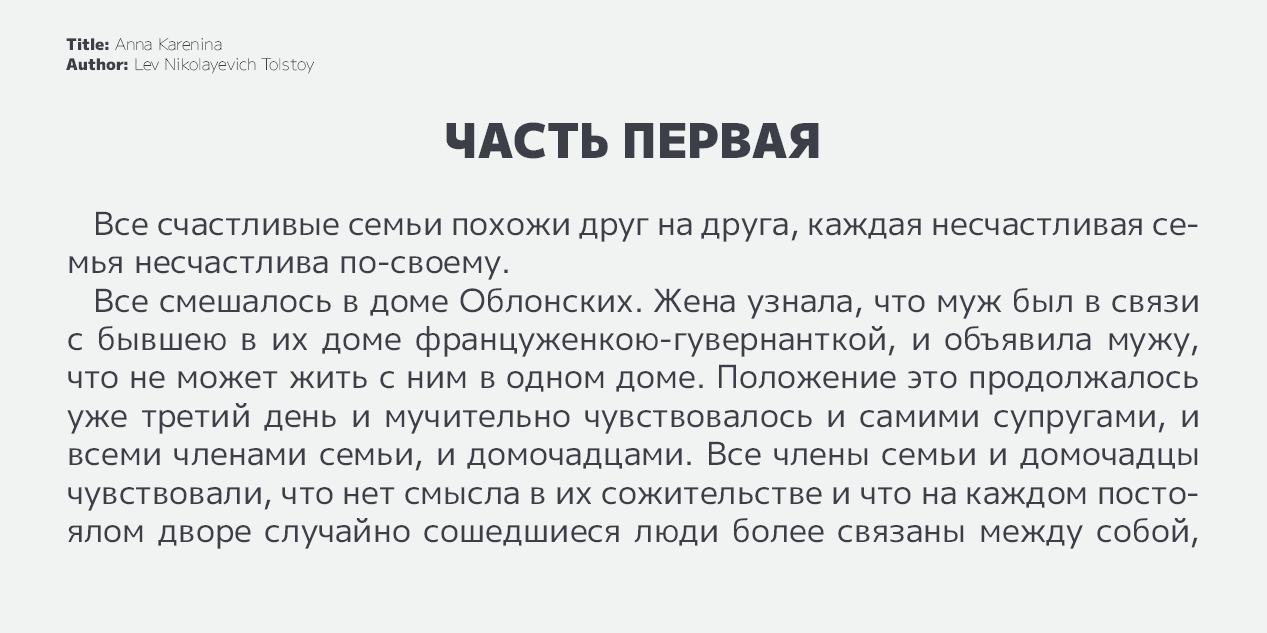
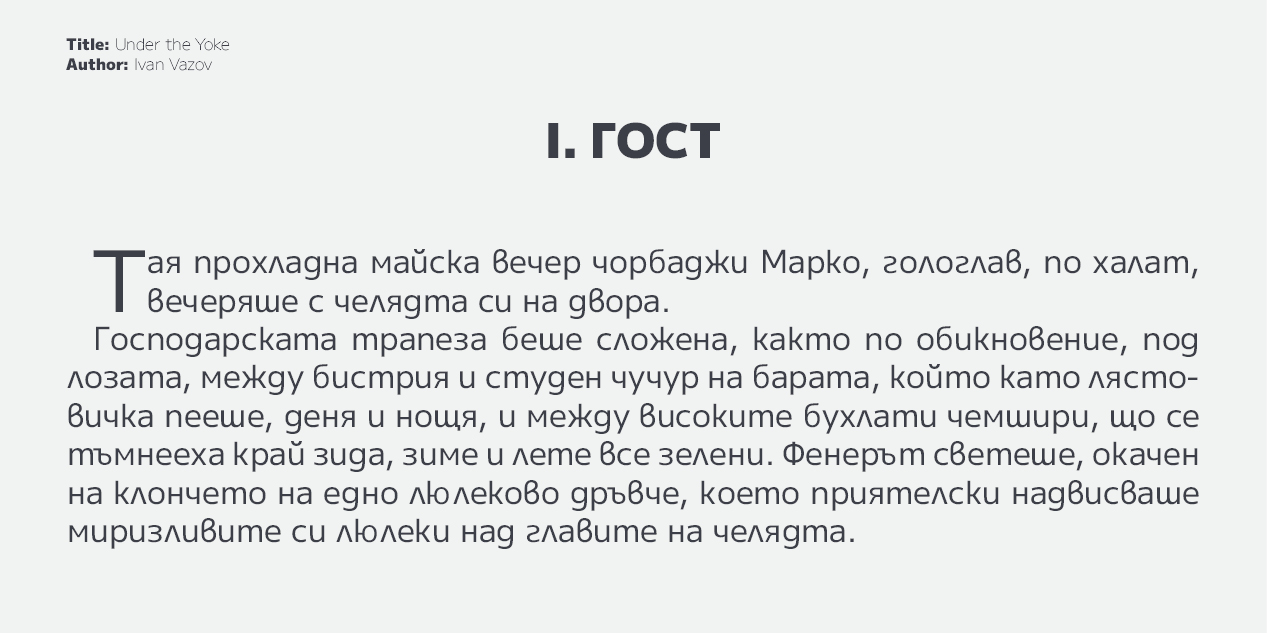
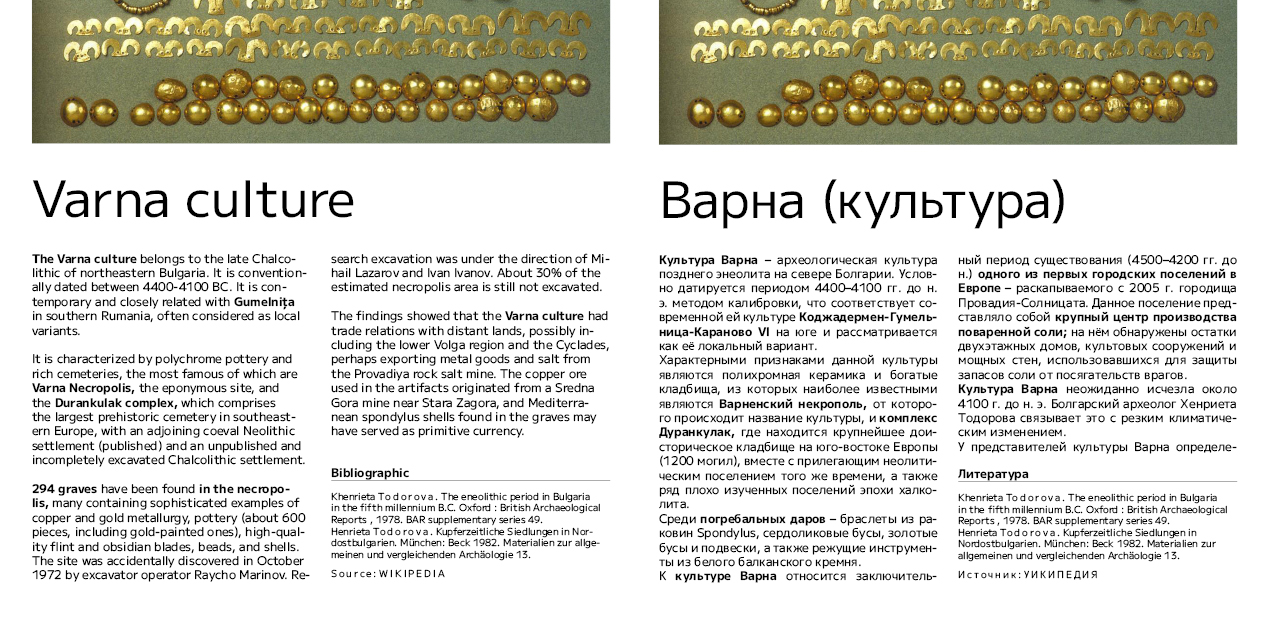
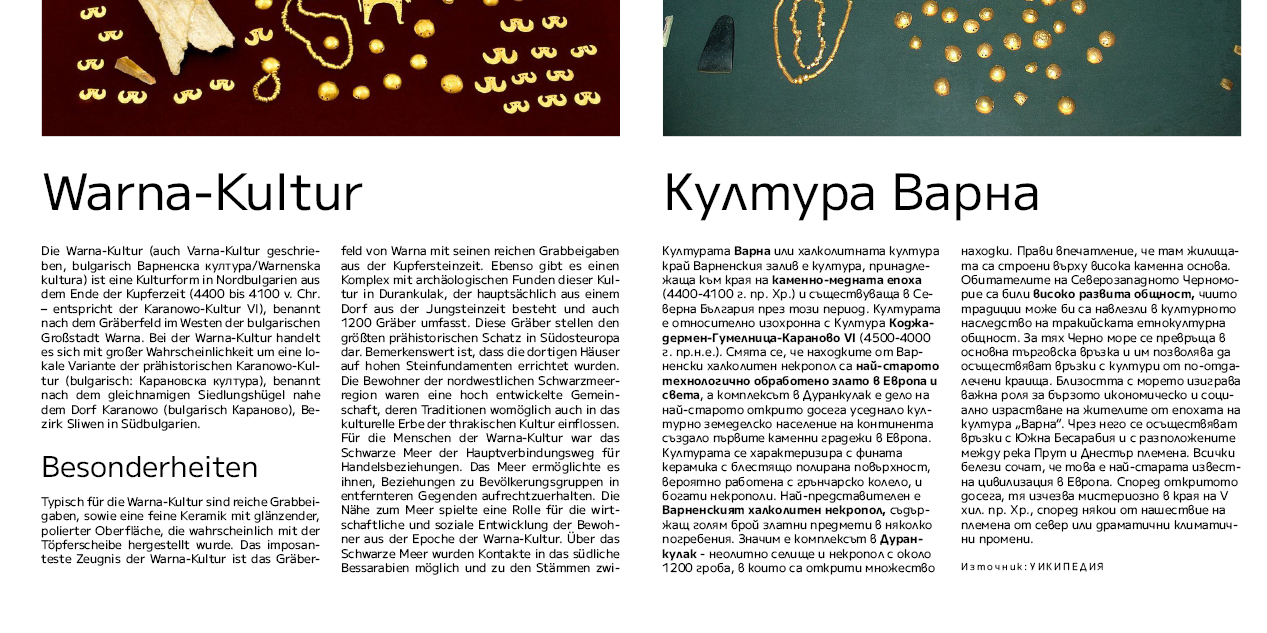
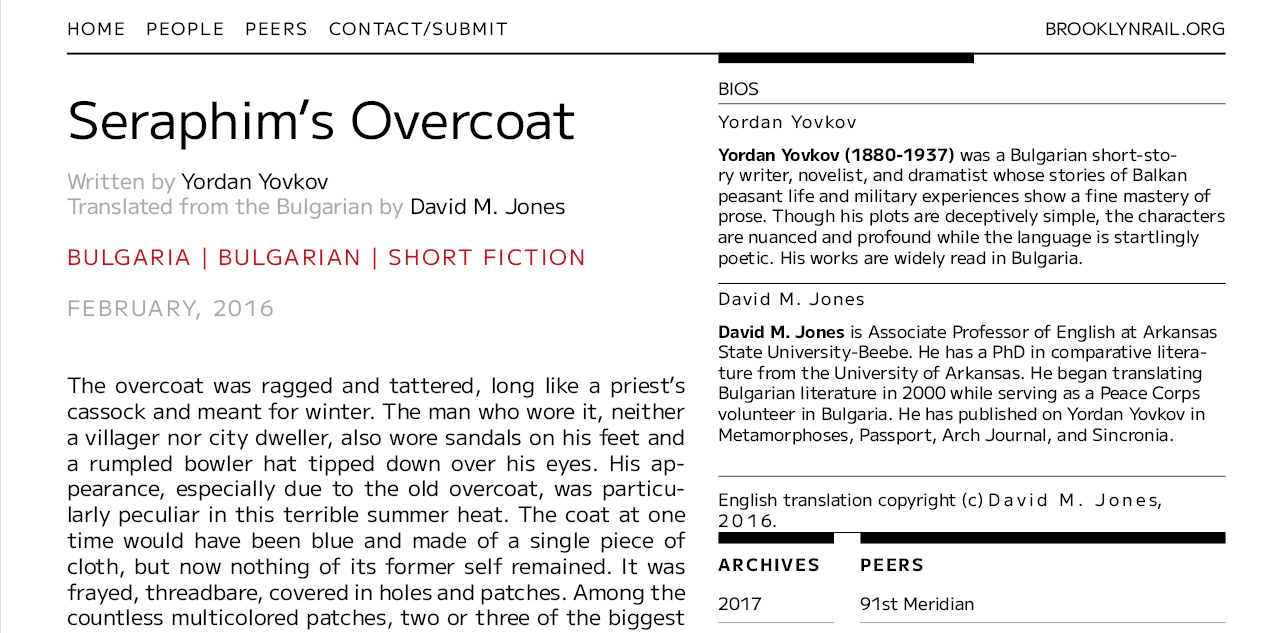
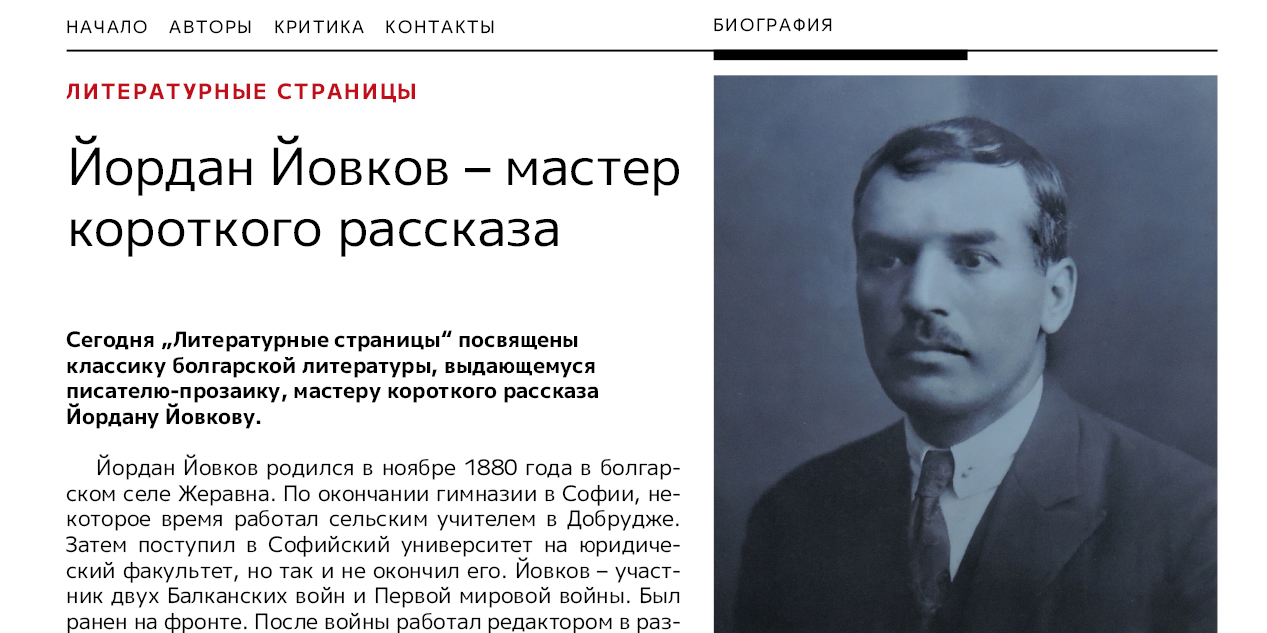
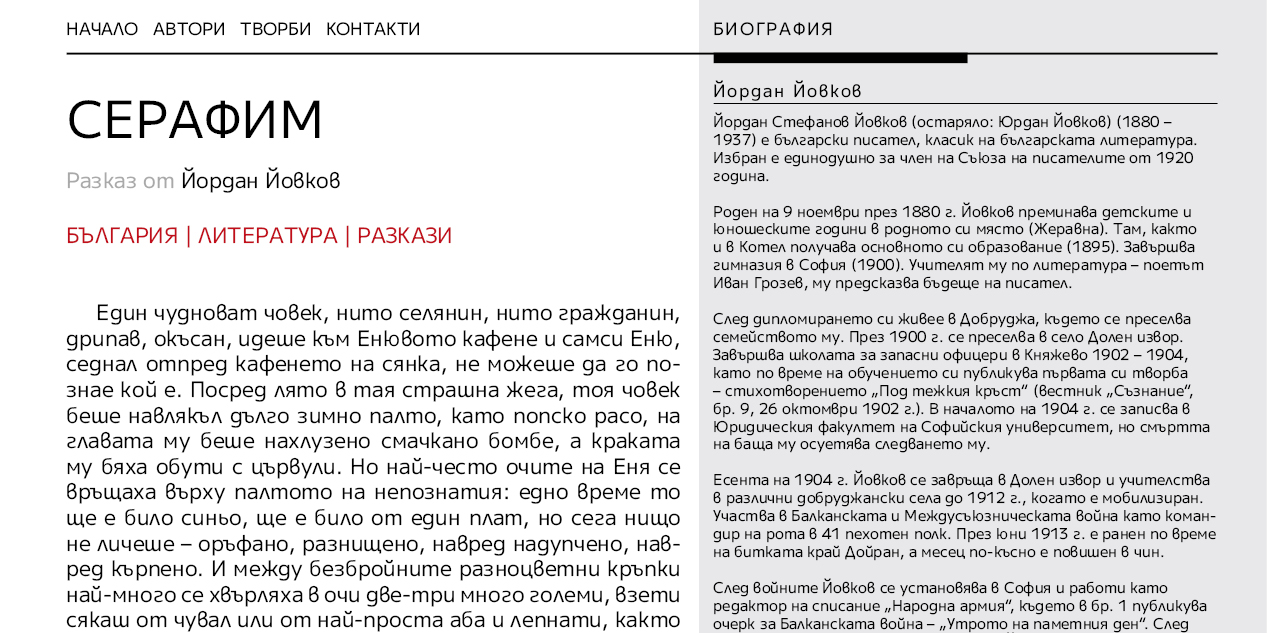
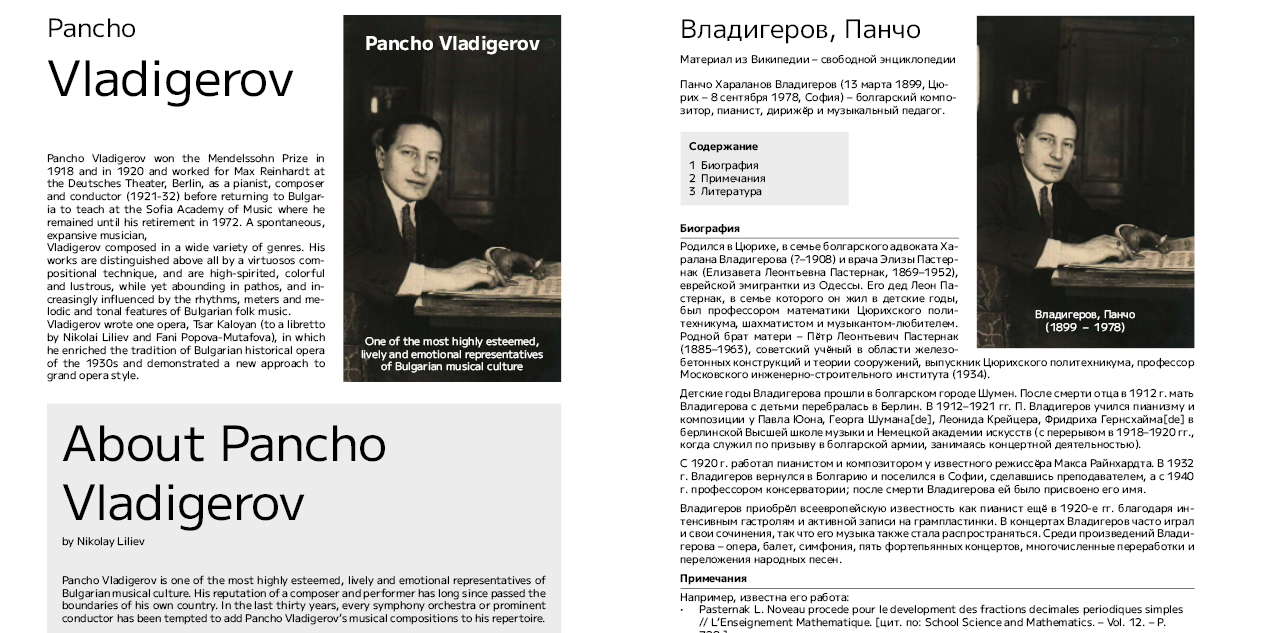
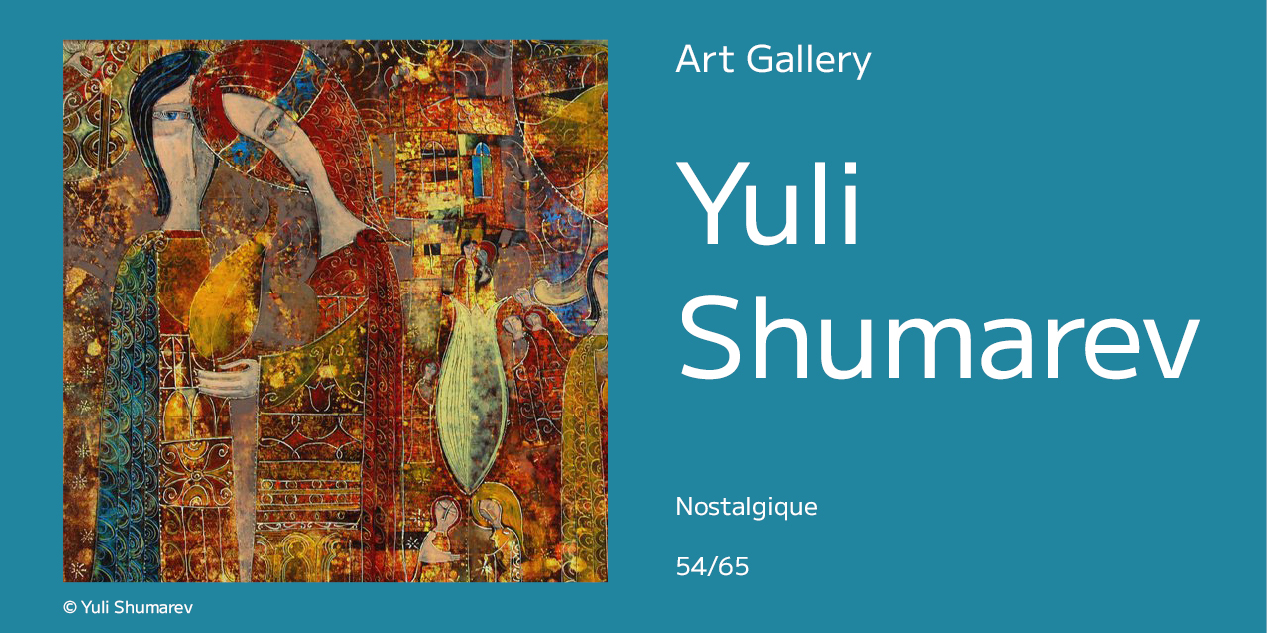
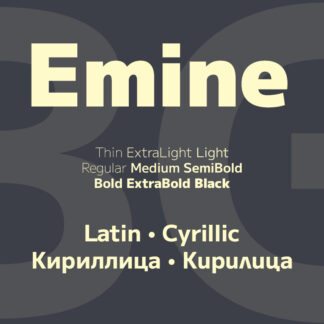
Emine is a humanistic sans-serif typeface characterized by slightly expanded letterforms and smooth, flowing contours. The Emine project is based on the MPLUS-1 font family, created by Japanese typographer Coji Morishita. Morishita’s original design has undergone significant transformation: non-European scripts have been removed, a Cyrillic character set has been added, and the Latin character set has been substantially expanded. The Cyrillic includes both the international standard forms and specific localizations for Bulgaria. Future development plans include an extended Cyrillic version that will encompass all regional variants—such as those for Bulgarian, Macedonian, Serbian, Belarusian, and Ukrainian—as well as Cyrillic forms used for non-Slavic languages. Emine is available in nine weights, ranging from “Thin” to “Black,” with plans to introduce a variable font version as well.
Design, Publisher, Copyright, License
Design: Coji Morishita, Stefan Peev
Publisher: Stefan Peev
Copyright 2026 by Stefan Peev. All rights reserved.
License: SIL OFL-1.1 license
Stefan Peev
Stefan Peev is a philologist, graphic designer and publisher in Bulgaria. He is the creator of fonts with a free license, which incorporates the Bulgarian form of Cyrillic. He is active in the field of historical typography. He prepares for the publication of several Old Bulgarian fonts, as well as digital replicas of the civic font, approved by the reform of Peter I in Russia in 1708-1710, as well as the handwriting of Vasil Levski and other historical figures.





Reviews
There are no reviews yet.